The real question is not whether AI can translate legal text. It can. The real question is which parts of legal-document work can be accelerated safely, and which parts still require a human translator’s responsibility.
Where AI is genuinely useful
AI helps most when the task is operational:
- generating a fast first draft
- preserving recurring structure
- surfacing terminology patterns
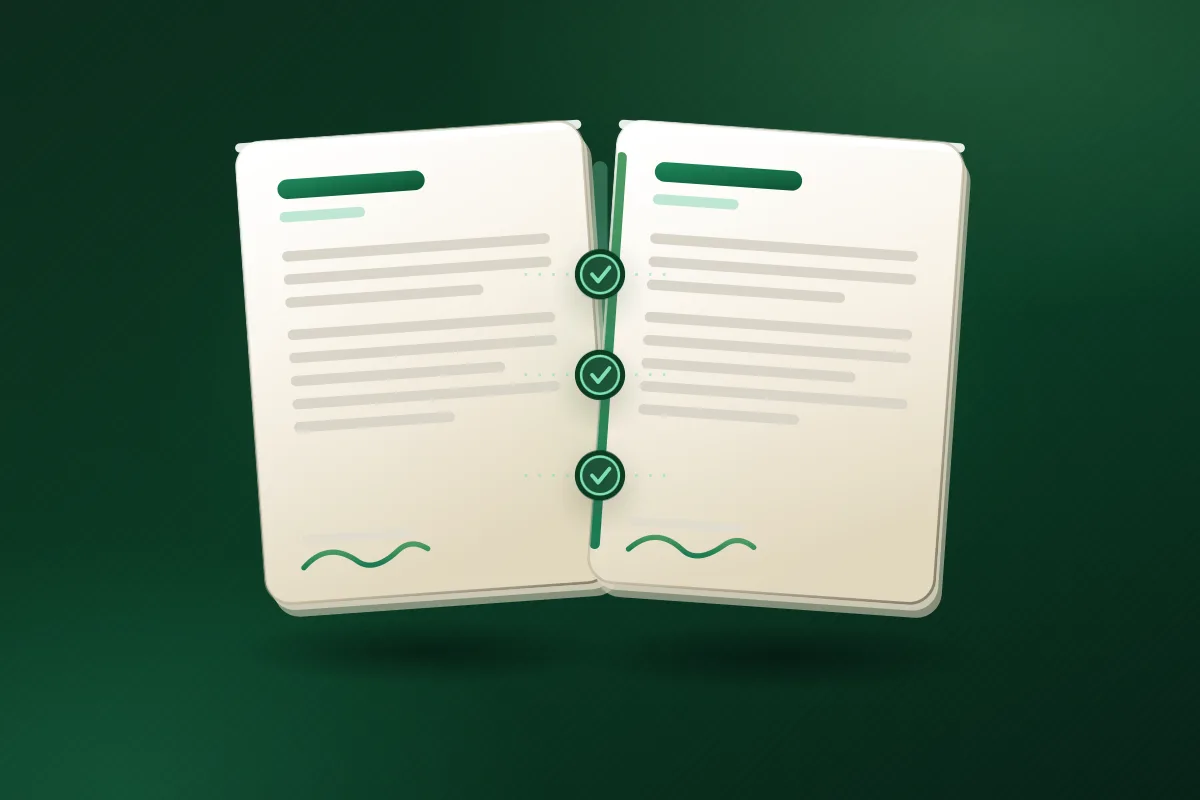
- supporting bilingual review
- reducing repetitive formatting work
For translators and agencies, that can save meaningful time. The gain is not abstract innovation. The gain is shorter time to a review-ready draft.
Where human court translators remain essential
Human responsibility becomes non-negotiable when the work involves:
- certification
- sworn or court-appointed translator obligations
- ambiguity in source language
- authority-facing legal risk
- nuanced procedural context
- final acceptability for filing or official use
No client hires a court translator just to move words between languages. They hire judgment, accountability, and trusted review.
The practical framing that works
The strongest positioning is not “AI or human.” It is:
- AI for first-draft acceleration and structure.
- Human review for legal meaning, authority-facing reliability, and certification.
That framing is especially important when comparing workflows such as How to Translate German Court Documents or Power of Attorney Translation Requirements, where procedural nuance matters more than generic fluency.
What clients actually care about
Most serious clients do not ask whether a translation was produced with or without AI. They ask:
- Will this be accepted?
- Can we review it quickly?
- Has terminology been checked?
- Is the formatting usable?
- Who stands behind the final version?
That is why conversion should focus on workflow clarity, not hype. If your team needs a faster first draft while keeping human review central, the relevant next step is to Start Free Trial and test the workflow with a real legal document.
Translate4.me
Turn this legal-translation research into a faster workflow.
Use Translate4.me to move from source document to review-ready output with structured translation, bilingual review, and export-friendly formatting.